
Home /
When a child is diagnosed with autism and begins ABA therapy, the entire family is affected—including siblings. While much of the attention understandably goes toward the child receiving therapy, brothers and sisters often experience a mix of curiosity, confusion, or even frustration.
That’s why it’s essential to think about how to intentionally include siblings in the therapeutic process. Research and real-life experience show that sibling involvement can:
Instead of simply being bystanders, siblings can play an active role in supporting progress, reinforcing skills, and contributing to a more connected family.
Including siblings also gives them a sense of purpose and reduces feelings of jealousy, neglect, or confusion. They become partners, not passive observers.
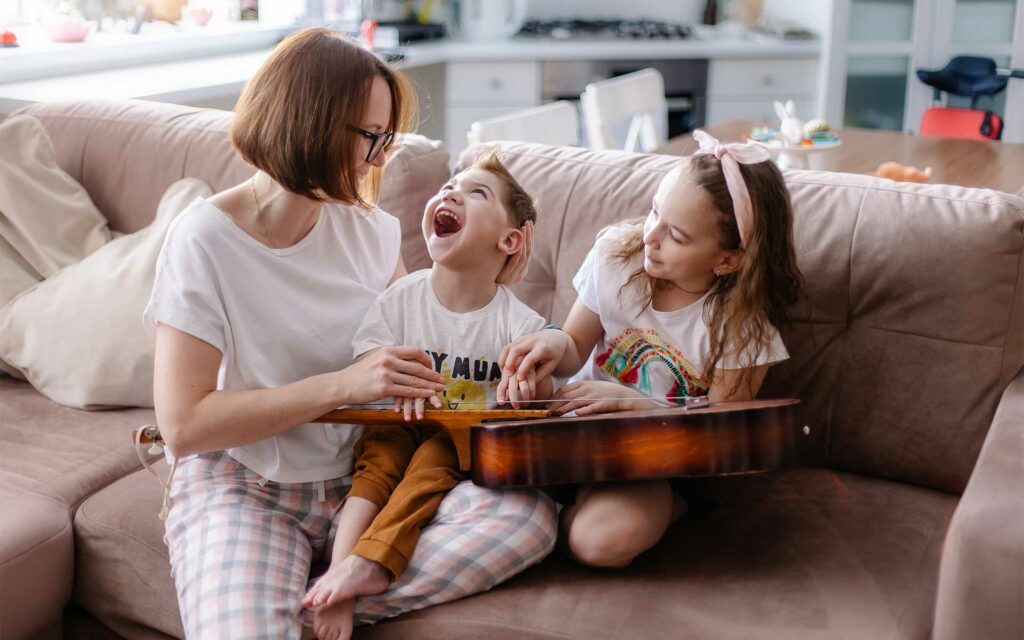
Including siblings in ABA therapy doesn’t mean they become junior therapists. Instead, it’s about creating small, natural opportunities for them to support their brother or sister through play, daily routines, and meaningful connection.
Let’s break down a few specific ways this can be done:
Play is a child’s first language, and it’s a natural place for teaching and reinforcing social behavior. Sibling playtime offers built-in chances to work on goals like:
Games like “Simon Says,” “Red Light, Green Light,” or building with blocks can be used as fun teaching tools. When children play together under light parental guidance, the child with autism may begin to generalize skills they’ve learned in formal sessions.
Want more ideas? Explore how ABA Therapy helps with social skills, with techniques that also work well in sibling interactions.
ABA therapy relies heavily on positive reinforcement—giving something enjoyable to encourage a desired behavior. Siblings can be trained to provide simple reinforcements like:
This not only helps reinforce the skill but also strengthens the relationship between siblings. It makes the sibling feel included and helpful while offering natural motivation for the child receiving therapy.
You can create visual supports—like first-then boards or token charts—that both siblings use together. For instance, both children can earn tokens for cooperating during clean-up time, and then they both enjoy a shared reward.
Social stories involving both siblings can also prepare them for specific routines like going to the grocery store, attending family gatherings, or bedtime routines. Using visuals is a technique discussed in Integrating ABA with Daily Routines, and it works even better when siblings are part of the plan.
Sometimes siblings struggle to understand why their brother or sister behaves differently. It’s important to give age-appropriate explanations about autism and ABA therapy:
Creating an open dialogue allows siblings to ask questions and express emotions. You can schedule “special time” with siblings to talk about how they’re feeling, ensuring they’re seen and supported.
Your child’s ABA goals aren’t limited to therapy sessions—they’re life skills. So, why not practice them during family routines where siblings are naturally present?
Here are some examples:
Daily routines offer rich opportunities to generalize ABA goals across real-world settings. You can reinforce this approach by reading How to Track Progress and Celebrate Small Wins.
While involving siblings is beneficial, it’s also essential to recognize their limits. Here’s how to keep the experience positive for everyone:
When you respect their boundaries, siblings are more likely to remain enthusiastic and supportive in the long term.
Some ABA providers include sibling-specific goals in the treatment plan. Examples might include:
You can talk to your BCBA about adding objectives that promote sibling engagement without overwhelming either child.
Here are some activities you can try that help reinforce ABA targets in a fun and collaborative way:
Keep it short, structured, and light. These activities aren’t just therapy—they’re joyful bonding moments.
Just like your child in therapy, their siblings may need support too. Some ideas include:
These resources can help reduce sibling stress and promote long-term positive relationships.
Want more guidance on how to support all your children? Explore these helpful reads:
ABA therapy is most effective when it’s integrated into everyday life—and siblings are a powerful part of that ecosystem. Including brothers and sisters in structured, intentional ways not only reinforces therapy goals but strengthens lifelong bonds of love, empathy, and teamwork.
By guiding siblings with simple strategies, clear communication, and age-appropriate expectations, you’re not just supporting your child with autism—you’re creating a family culture of growth, inclusion, and support.
Want help building a sibling engagement plan or learning how to adapt your ABA goals at home? Reach out to your ABA provider or connect with a Step It Up ABA professional today. Your whole family’s progress matters.